Who Should Not Wear Compression Socks? Risks, Side Effects and Blood Clots
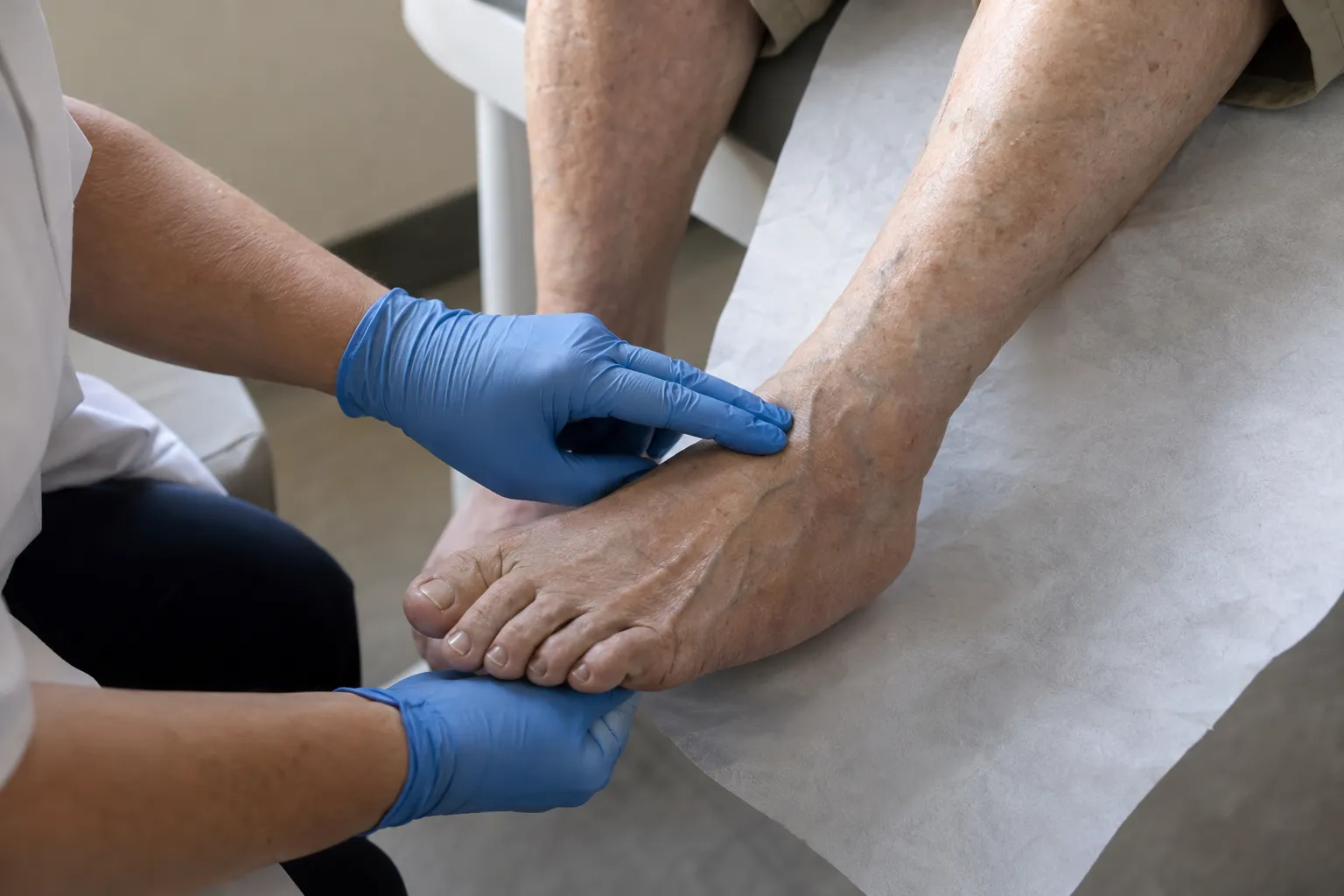
Who should not wear compression socks: the quick list
Doctors and medical guidelines agree on a short list of people who should not wear compression socks, or should only wear them with a doctor's approval. NICE, the UK health guideline body, lists these for anti-embolism stockings, and a review in the Canadian Medical Association Journal (CMAJ) gives a similar list for graduated compression stockings.
- Peripheral arterial disease (PAD), or a past bypass operation on the leg arteries
- Peripheral neuropathy or anything else that dulls feeling in your feet and legs
- Fragile, "tissue paper" skin, dermatitis, gangrene or a recent skin graft
- Severe heart failure, especially with fluid in the lungs or heavy leg swelling
- A known allergy to the material the sock is made from
- Severe leg swelling, or legs whose size or shape stops a standard sock from fitting properly
Open wounds and leg ulcers also need care. NICE advises caution when stockings go over ulcers or wounds. Some ulcer treatments do use compression, but only under a doctor's or wound nurse's care.
Check with your doctor before wearing compression socks if you have peripheral arterial disease, poor circulation in the legs, heart failure, or reduced feeling in your feet. If you can't feel your feet well, you may not notice when a sock is too tight.
Peripheral arterial disease: the most important "no"
Compression socks squeeze the leg to help blood in the veins flow back toward the heart. That is helpful when the arteries bringing blood down to the feet are healthy.
In peripheral arterial disease, those arteries are already narrowed. The CMAJ review warns that using compression stockings on legs with poor arterial blood flow can make the lack of blood flow worse. An international consensus statement on compression risks adds that it can raise the risk of skin damage and tissue death under the sock.
This is why doctors often check the blood flow in your legs before suggesting compression. One common test compares blood pressure at your ankle with blood pressure in your arm. NICE says that if arterial disease is suspected, an expert should be asked before stockings are fitted.
If you have been told you have poor circulation in the arteries of your legs, or you have had a bypass in your leg, talk to your doctor before buying any compression socks.
Neuropathy and diabetes: when you can't feel a problem
Nerve damage in the feet, called peripheral neuropathy, is common in people with diabetes. It can make your feet numb, so you may not feel a sock that is too tight or a blister starting.
The consensus statement lists sensory loss, especially from diabetic neuropathy, as one reason pressure damage can go unnoticed. It recommends extra care, low pressure and close checks at the start for people with neuropathy and for older adults with thin, fragile skin.
That does not mean everyone with diabetes must avoid compression. It means you should get your doctor's okay first and check your feet and legs every day. Our page on compression socks for diabetics covers what to look for.
Skin problems, wounds and allergies
Compression presses fabric against your skin all day. If the skin is already damaged, that pressure can make it worse.
- Fragile skin, dermatitis, gangrene or a recent skin graft: NICE says not to use anti-embolism stockings on these.
- Skin irritation: the consensus statement lists itching and irritation as the most common minor side effects. It recommends good skin care, such as moisturizing at night, for people with sensitive skin.
- Allergies: true allergies to sock materials are very rare, according to the consensus statement. But the CMAJ review notes that people who are allergic to the material can get a rash, skin discoloration and blisters.
If you have a skin infection or an open sore on your leg, ask your doctor before you wear any compression.
Heart failure: ask your doctor first
Compression pushes fluid out of the legs and back toward the heart. A healthy heart handles that easily. A heart that is already struggling may not.
The CMAJ review lists heavy leg swelling or fluid in the lungs from heart failure as a reason not to use compression stockings. The international consensus statement recommends against compression in the most severe stage of heart failure (NYHA class IV), and against routine use in class III unless a doctor is monitoring you closely.
Milder heart failure is not always a reason to avoid compression, but it is a reason to ask your cardiologist before you start.
Legs that won't fit a standard size
A compression sock only works safely when it fits. NICE lists "unusual leg size or shape" and major limb deformity among the reasons not to use standard stockings, because a sock that doesn't fit can dig in at one spot instead of spreading pressure evenly.
Ready-made socks are sized by measurements, usually at the calf. Our Zip-Up Compression Socks come in five sizes, from M (8 to 11 inch calf) to 3XL (18 to 20 inch calf). Measure the widest part of your calf and use our size guide. If you fall between sizes or outside the chart, a fitter can measure you for a made-to-measure garment. See compression socks for wide calves for more.
Can compression socks cause blood clots?
Compression socks rarely cause blood clots. The international consensus statement says clot problems from compression are rare, and most cause no symptoms.
The risk comes from wearing them the wrong way. If the top of a sock rolls down, is folded over, or bunches behind the knee, it can act like a tight band, or tourniquet. The consensus statement says this kind of improper compression can cause a clot in a vein near the skin (superficial venous thrombosis), especially with long periods of sitting, such as long-haul flights. In one study of airline passengers it cites, 3.8% developed this kind of clot in varicose veins at the knee, where the top edge of the stocking pressed.
To avoid that tourniquet effect:
- Never roll or fold the top band down.
- Smooth out wrinkles. MedlinePlus says not to let stockings bunch up or wrinkle.
- Make sure a knee-high sock ends below the bend of your knee. MedlinePlus says about two fingers below.
- Choose the right size by measuring your calf.
Longer stockings are not risk-free either. In the CLOTS 1 trial of people who were immobile after a stroke, thigh-length stockings did not lower the rate of deep vein clots, and skin breaks, ulcers, blisters and skin death were more common with the stockings (5% vs. 1%). Stroke patients in the hospital are a very different group from people wearing everyday socks, but it shows why fit and skin checks matter.
Pain, swelling, warmth or redness in a leg can be signs of a deep vein clot, according to MedlinePlus. If you notice them, take the sock off and call your doctor right away.
Side effects and signs a sock is too tight
Most people wear compression socks with no problems. The consensus statement lists skin irritation, discomfort and pain as the most common side effects. Serious harm, such as skin or nerve damage, is very rare when socks are used correctly.
Take your socks off and check with your doctor if you notice:
- Deep marks, blisters or skin that changes color, especially over the heel or ankle bones. NICE says to stop using the stockings if these appear, or if they cause pain.
- Numbness, tingling or a "pins and needles" feeling. The consensus statement notes rare cases of nerve damage, often at the outside of the knee, from socks that slipped or rolled.
- Skin on your feet or toes that changes color.
- Pain that gets worse instead of better while you wear them.
A good compression sock should feel snug, with the most pressure at the ankle. It should not hurt. MedlinePlus advises calling your provider if your stockings feel too uncomfortable. If you are new to compression, our guide to what mmHg means explains which level to start with, and our tips on putting compression socks on help you avoid wrinkles and rolled tops.